
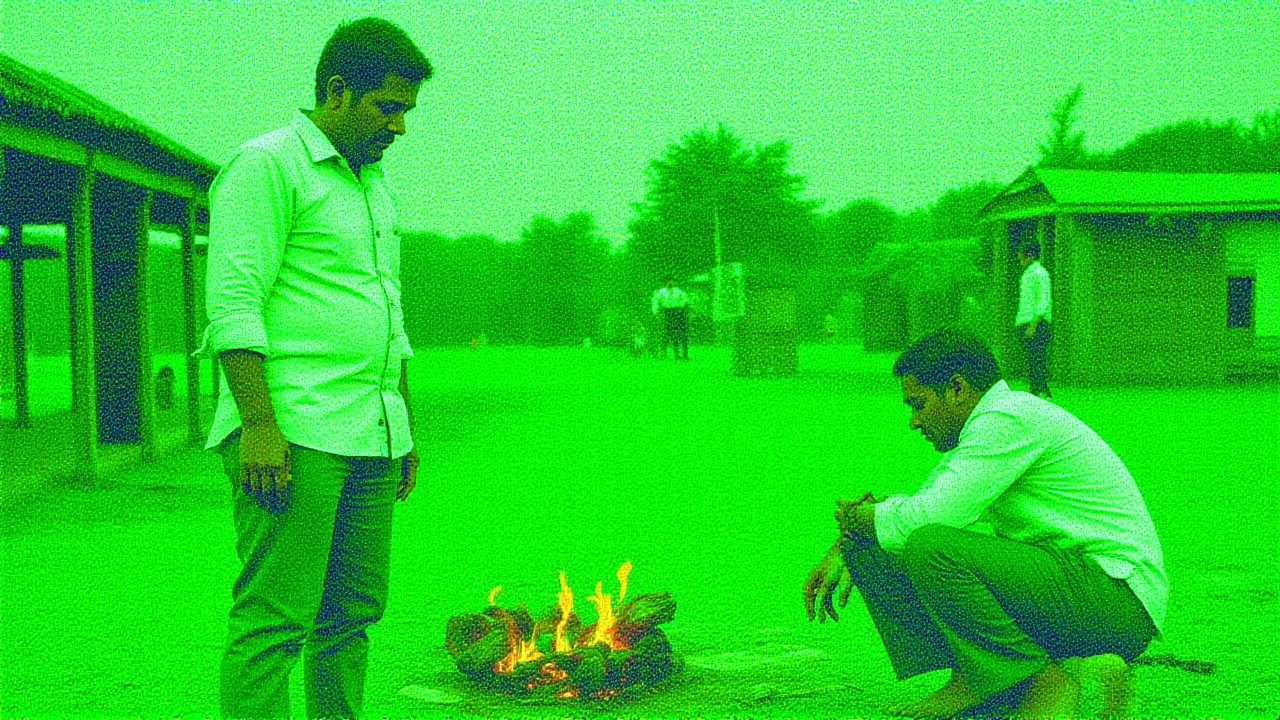
उत्तर प्रदेश में पश्चिमी विक्षोभों से तापमान में उतार-चढ़ाव, दिसंबर के दूसरे सप्ताह में कड़ाके की ठंड की आशंका

मिर्ची समाचार

उत्तर प्रदेश के आम आदमी के लिए ये दिन अजीब लग रहे हैं — सुबह ठंड से काँप रहे हैं, दोपहर तक गर्मी महसूस हो रही है। ऐसा इसलिए क्योंकि दो सक्रिय आंचलिक मौसम विज्ञान केंद्र लखनऊ के अनुसार, पश्चिमी विक्षोभों का असर राज्य के मौसम पर चल रहा है। ये बादल अफगानिस्तान और पाकिस्तान से आ रहे हैं, और उनकी आवाजाही ने तापमान में अजीब सा उतार-चढ़ाव पैदा कर दिया है। अगले 2-3 दिनों में अधिकतम और न्यूनतम तापमान में लगभग 2-3 डिग्री सेल्सियस की वृद्धि दर्ज हो सकती है। लेकिन ये सिर्फ एक रुकावट है। दिसंबर के दूसरे सप्ताह से एक बार फिर कड़ाके की ठंड लौटने की संभावना है।

तापमान में उछाल का रहस्य

शुक्रवार से रविवार तक, दक्षिण-पश्चिमी और पुरवाई हवाएं उत्तर प्रदेश के कई जिलों में प्रवेश कर रही हैं। इन हवाओं के साथ थोड़ी गर्मी भी आ रही है। इसके चलते लखनऊ में अधिकतम तापमान 26.6 डिग्री सेल्सियस तक पहुँच गया, जबकि बरेली में 23.7 डिग्री सेल्सियस दर्ज किया गया। न्यूनतम तापमान भी थोड़ा बढ़ा — बरेली में 8 डिग्री, इटावा में 9.4 डिग्री, और मुजफ्फरनगर में 9.6 डिग्री। लेकिन ये संख्याएँ असली तस्वीर नहीं दिखातीं।

पिछले सप्ताह, जब पश्चिमी विक्षोभ अधिक सक्रिय था, तो अधिकतम तापमान 25.5 डिग्री और न्यूनतम 9.8 डिग्री तक गिर चुका था। अब ये वृद्धि सिर्फ एक छोटी सी छुट्टी है। जैसे ही एक विक्षोभ दूर होता है, दूसरा आता है — और इस बार ये ठंड को रोकने के बजाय, उसे थोड़ा धकेल रहा है।

मौसम विज्ञानियों का अनुमान: ये बदलाव अस्थायी है

अतुल कुमार सिंह, आंचलिक मौसम विज्ञान केंद्र लखनऊ के वरिष्ठ वैज्ञानिक, बताते हैं: "पश्चिमी विक्षोभ भूमध्यसागरीय क्षेत्रों से आते हैं। जब वे सक्रिय होते हैं, तो वे हिमालय से आने वाली बर्फीली हवाओं को रोक देते हैं। लेकिन जब वे कमजोर होते हैं, तो वो हवाएँ फिर से आ जाती हैं।"

बीएचयू के मौसम विज्ञानी प्रोफेसर मनोज कुमार श्रीवास्तव ने बताया कि दो दिन पहले उत्तर-पश्चिमी हवाएँ कमजोर हुईं, जिससे बीएचयू क्षेत्र में अधिकतम तापमान 1.5 डिग्री सेल्सियस बढ़ गया। लेकिन ये बदलाव अस्थायी है। "अगले 48 घंटों में एक नया कमजोर विक्षोभ पश्चिमी सीमा से प्रवेश करेगा," उन्होंने कहा। "और फिर तापमान फिर से गिरने लगेगा।"

क्या होगा अगले सप्ताह?

4 दिसंबर से 6 दिसंबर तक, उत्तर प्रदेश के पश्चिमी और पूर्वी हिस्सों में मौसम शुष्क रहने की संभावना है। कोई बारिश नहीं, कोई बर्फबारी नहीं। लेकिन ये शांति अस्थायी है। 5 दिसंबर को एक नया, हल्का पश्चिमी विक्षोभ हिमाचल प्रदेश के पश्चिमी हिस्से को छूएगा — और इसका प्रभाव उत्तर प्रदेश पर भी पड़ेगा।

मौसम विभाग के मौसम विज्ञानी मोहम्मद दानिश ने बताया कि पाकिस्तान और अफगानिस्तान में विक्षोभ के साथ दक्षिणी-पश्चिमी राजस्थान से आ रही ठंडी हवाएँ भी इस उतार-चढ़ाव में योगदान दे रही हैं। ये विरोधी प्रवाह एक दूसरे को टकरा रहे हैं — और इसके बीच आम लोग फंस गए हैं।
क्यों ये बदलाव खतरनाक हो सकता है?

क्यों ये बदलाव खतरनाक हो सकता है?

तापमान में अचानक बदलाव सिर्फ असुविधा नहीं, बल्कि स्वास्थ्य के लिए खतरा भी है। बुजुर्गों, बच्चों और दिल के रोगियों के लिए ये उतार-चढ़ाव खतरनाक हो सकता है। अचानक गर्मी के बाद ठंड का आना, श्वसन संबंधी बीमारियों को बढ़ा सकता है।

इसके अलावा, दिसंबर के दूसरे सप्ताह में अगर ठंड वापस आ जाती है, तो बर्फीली हवाएँ फिर से आएंगी। तब लखनऊ, कानपुर, आगरा, मेरठ, बरेली, गोरखपुर और अयोध्या जैसे शहरों में न्यूनतम तापमान 5-6 डिग्री तक गिर सकता है। सुबह कोहरा और बर्फ की चादर फिर से दिखने लगेगी।

हिमाचल प्रदेश में क्या हो रहा है?

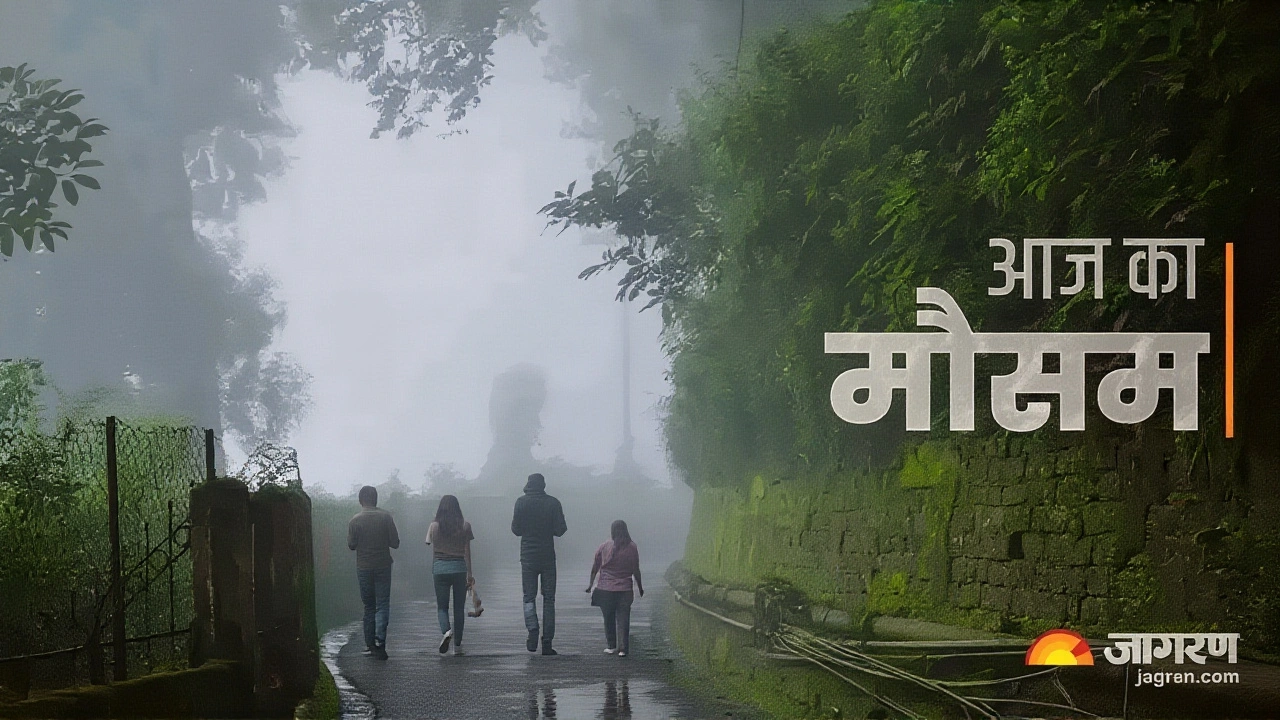
हिमाचल प्रदेश में 2 और 3 दिसंबर को घना कोहरा छाया रहा। 4 और 5 दिसंबर को पर्वतीय क्षेत्रों में हल्की बर्फबारी की संभावना है। ये विक्षोभ उत्तर प्रदेश के लिए भी संकेत है — जब हिमालय के ऊपर बर्फ जमती है, तो नीचे के इलाकों में ठंड गहरी हो जाती है।

अब तक, उत्तर प्रदेश में कोई अलर्ट जारी नहीं किया गया है। लेकिन लोगों को तैयार रहना चाहिए। एक दिन गर्मी, अगले दिन बर्फ। ये अब नया नियम बन गया है।

अक्सर पूछे जाने वाले प्रश्न

क्यों तापमान में अचानक उछाल आ रहा है?

पश्चिमी विक्षोभ भूमध्यसागर से आने वाले बादल और हवाओं का समूह हैं। जब वे सक्रिय होते हैं, तो वे हिमालय से आने वाली बर्फीली हवाओं को रोक देते हैं, जिससे तापमान बढ़ता है। जब वे कमजोर होते हैं, तो ठंडी हवाएँ फिर से आ जाती हैं। ये उछाल अस्थायी है।

क्या दिसंबर के दूसरे सप्ताह में ठंड वापस आएगी?

हाँ, मौसम विज्ञानियों का मानना है कि दिसंबर के दूसरे सप्ताह से हिमालय से आने वाली बर्फीली हवाएँ फिर से सक्रिय हो सकती हैं। अगर विक्षोभ पूरी तरह शांत हो जाते हैं, तो उत्तर प्रदेश में न्यूनतम तापमान 5-6 डिग्री सेल्सियस तक गिर सकता है।

क्या बरेली और लखनऊ में कोहरा बढ़ेगा?

हाँ, जब तापमान गिरता है और हवाएँ शांत होती हैं, तो नमी जम जाती है। बरेली, लखनऊ, कानपुर और आगरा में सुबह कोहरा अक्सर देखा जाता है। अगले 72 घंटों में यह घना हो सकता है, खासकर जब ठंड वापस आएगी।

क्या इस बदलाव का असर कृषि पर पड़ेगा?

हाँ। गेहूँ की फसल ठंड के लिए संवेदनशील है। अचानक गर्मी के बाद ठंड का आना फसल के विकास को बाधित कर सकता है। किसानों को अपनी फसलों को ढकने और जलाने की तैयारी करनी चाहिए।

क्या अगले कुछ दिनों में बारिश होगी?

अगले 48 घंटों में उत्तर प्रदेश में बारिश की संभावना नहीं है। लेकिन 5 दिसंबर को हिमाचल में हल्की बर्फबारी हो सकती है, जिसका प्रभाव उत्तरी भारत पर पड़ सकता है। बर्फ के बाद तापमान तेजी से गिरता है।

क्या हिमालय की बर्फ इस बदलाव का कारण है?

हाँ, बिल्कुल। हिमालय के ऊपर बर्फ जमने से ठंडी हवाएँ नीचे की ओर बहती हैं। पश्चिमी विक्षोभ इन हवाओं को रोकते हैं। जब विक्षोभ कमजोर होते हैं, तो ये हवाएँ फिर से आती हैं। यही तापमान के उतार-चढ़ाव का असली कारण है।

द्वारा लिखित Shiva Parikipandla

मैं एक अनुभवी समाचार लेखिका हूं और रोज़ाना भारत से संबंधित समाचार विषयों पर लिखना पसंद करती हूं। मेरा उद्देश्य लोगों तक सटीक और महत्वपूर्ण जानकारी पहुँचाना है।

Vraj Shah

yaar yeh garmi thandi ka khel ab khatam hi nahi ho raha, subah utho thand se kamp raha hoon, dopahar ko to pani peene ka mann karta hai

Kumar Deepak

ab toh climate change ka matlab hi yahi hai - ek din t-shirt, agle din jacket aur phir ek din kambal. aur hum log abhi bhi sochte hain ki yeh 'natural cycle' hai? 😏

Ayushi Kaushik

ye temperature ka uchhal-chadhaav sirf ek number nahi, ye logon ki zindagi ka hissa ban gaya hai. bache school ja rahe hain, dadi ki khansi badh rahi hai, aur hum sab ek saath sochte hain - kya yeh normal hai? kya humne kuch galat kiya hai?

maine apne ghar ke bahar ek chhota sa garden banaya hai, aur ab yeh bhi confuse ho gaya hai - ek din phool khilte hain, agle din sab jhuk jaate hain. kya hum bhi isi tarah ho gaye hain?

humne socha tha ki winter ka matlab hai thand, lekin ab yeh winter ka matlab hai 'kya aaj kya hai?'

mujhe lagta hai humein apne aap ko phir se samajhna hoga - na ki sirf weather ko, balki apne liye kya zaroori hai.

ek din garmi, ek din thandi - yeh koi mistake nahi, yeh toh ek reminder hai ki hum sab ek saath hain, aur yeh planet hum sab ka hai.

aur agar hum isse apne liye ek lesson bana le, toh shayad ek din hum bhi ek thodi si thand mein bhi khush ho payenge.

abhi ke liye, ek kapde aur ek chai - bas itna hi kaafi hai.

Basabendu Barman

ye sab fake hai yaar… climate change kaun bana raha hai? NASA aur WHO ek saath milke yeh sab bana rahe hain taaki hum logon ko control kar sakein. yeh sab ek experiment hai - jaise kisi ne kaha tha ki agar hum temperature ko 2-3 degree upar niche kar denge toh log panic karne lageinge aur government ke saath join ho jayenge. ye sab ek psyop hai. maine apne grandfather se suna tha - 1980 mein bhi yehi hota tha, lekin tab koi newspaper nahi tha. ab sab fake news hai.

aur haan, agar tumhe lagta hai ki pashchimi vikshobh kisi kaam ka hai, toh tumhe pata hai ki ye NASA ke satellites ne bhi confirm kiya hai ki yeh sab sirf 7% chance se hote hain? baki 93% ka reason - moon aur mars ka gravity effect. haan, moon bhi humare temperature ko control karta hai. kya tumne kabhi socha hai ki moon ke paas ek heater lagaya gaya hai? nahi? toh phir tum bhi brainwashed ho.

Krishnendu Nath

yaar yeh thand garmi ka game khatam karo na… hum toh bas ek chai aur ek kapde ke liye zinda rehne ki koshish kar rahe hain! agar ek din garmi hai toh bhaiya bhaiya bol ke pani pi lo, aur agar thandi hai toh kapde peheno - simple hai na? kyun soch rahe ho itna? jee lo, jeete rehna hai!

dinesh baswe

the persistent oscillation between thermal anomalies induced by western disturbances and the re-emergence of continental polar air masses from the Himalayan highlands represents a complex synoptic interaction that is not merely meteorological but also climatological in nature. the temporary warming phase observed in western UP is a direct consequence of the suppression of the northerly advection of cold air by transient mid-latitude cyclones originating over the Mediterranean basin. when these systems weaken, the polar air mass reasserts itself, leading to rapid radiative cooling under clear sky conditions, particularly in the Indo-Gangetic plain where nocturnal inversion layers intensify. this cyclical pattern is consistent with long-term trends observed in the northern Indian subcontinent over the past three decades, and is not an anomaly but a manifestation of shifting atmospheric dynamics.

the agricultural implications are significant: wheat phenology is highly sensitive to thermal fluctuations during the critical grain-filling stage, and repeated exposure to abrupt temperature shifts may lead to reduced spikelet fertility and lower grain yield. farmers must adopt microclimate management strategies such as mulching, windbreaks, and irrigation scheduling to mitigate these effects.

urban populations must be advised to avoid sudden exposure to cold after prolonged warmth, as this increases the risk of respiratory infections, particularly among the elderly and those with cardiovascular conditions. the formation of dense fog during temperature drops further exacerbates health risks due to reduced visibility and increased particulate matter retention.

Boobalan Govindaraj

yaar yeh thand garmi ka khel khatam nahi hoga lekin hum kuch kar sakte hain - ek kapda pehno, ek chai piyo, kisi ko samjho, aur khud ko bhi samjho. yeh sab ek din ka hissa hai - aur hum sab ek saath yeh safar kar rahe hain. tum bhi ek din garmi mein khush ho sakte ho, aur ek din thandi mein bhi… bas thoda dhairya rakhna hai. hum jite hain na? toh phir kyun tension le rahe ho?

pradeep raj

the temporal modulation of thermal regimes in the Indo-Gangetic plains due to the intermittent influence of western disturbances is a well-documented phenomenon in synoptic climatology. the current phase of anomalous warmth is attributable to the advection of warm, moist air from the southwest, which temporarily suppresses the southward propagation of the continental polar air mass originating from the Tibetan Plateau. this suppression is mediated by the position and intensity of the subtropical westerly jet stream, which is currently displaced northward due to the presence of a quasi-stationary trough over the Hindu Kush region. the subsequent reactivation of the polar air mass, expected around December 5–7, will be accompanied by a sharp drop in minimum temperatures, potentially reaching 5–6°C in urban centers like Lucknow and Kanpur. the absence of precipitation during this transition phase will facilitate radiative cooling, thereby enhancing the formation of nocturnal temperature inversions and dense fog. this pattern, while recurrent, is increasingly destabilized by anthropogenic warming trends, which amplify the amplitude of thermal oscillations and reduce the predictability of cold wave onset. public health advisories must be issued in advance to mitigate risks to vulnerable populations, particularly those with pre-existing cardiopulmonary conditions.

Vishala Vemulapadu

ye sab toh bas ek pattern hai - western disturbance, cold wave, pause, repeat. koi naya baat nahi. 2018 mein bhi yahi hua tha. aur 2020 mein bhi. abhi log sochte hain ki yeh climate change hai? nahi yaar, yeh toh normal hai. bas ab hum log itne zyada sensitive ho gaye hain ki ek degree ka bhi change dekh kar dar jaate hain. chill karo, ek kapda pehno, aur apni chai peete raho.

M Ganesan

ye sab fake hai. kyun? kyunki yeh sab sirf 5 din ke liye chal raha hai aur phir koi alert nahi aaya. agar yeh real thand hoti toh government ne 10 din pehle hi lockdown kar diya hota. aur haan - kya tumne dekha ki kisi ne bhi kisi ko thand ke liye paisa diya? nahi. toh phir yeh sab kya hai? yeh sab sirf media ka drama hai. aur kya tumhe pata hai ki yeh sab humare desh ke khilaf ek plan hai? kyun? kyunki jab hum log garam hote hain, toh hum kaam karte hain. jab hum thande hote hain, toh hum sochte hain. aur sochte hue log kuch nahi kar paate. isliye yeh sab ek plan hai. aur hum sab uske saamne khade hain.

ankur Rawat

ye temperature ka khel thoda strange lag raha hai, lekin main sochta hoon ki humein isse ek opportunity samajhna chahiye - ek baar sochne ka mauka. kya humne kabhi apne ghar ke bahar ek tree lagaya hai? kya humne kabhi kisi ke liye ek kapda bheja hai jab unki thand lag rahi thi? yeh sab ek chhoti si baat hai, lekin agar hum sab ek saath karein, toh yeh ek bada badlav bana sakta hai. maine kal ek bhookhe bacche ko ek garam roti di - aur usne mujhe ek smile di. yeh thand se zyada garam tha. humein sirf temperature nahi, apne dil ki temperature bhi adjust karni hogi.

Ganesh Dhenu

mera papa kahate the - jab koi thand aaye, toh pehle kambal, phir chai, aur phir ek baat: 'yeh sab ek din ka hai.' main abhi bhi yehi karta hoon. koi naya nahi, purana hi kaam chal raha hai. bas humne ise zyada complicated bana diya hai.

Yogananda C G

the cyclical nature of western disturbance-induced thermal fluctuations in northern India is not merely a meteorological curiosity - it is a profound reflection of our collective failure to adapt to the natural rhythm of seasonal transition. the abrupt swings between warmth and cold are not anomalies, but rather symptoms of a deeper disconnection between human behavior and planetary cycles. the fact that we now require scientific models to explain what our grandparents understood intuitively - that winter comes, it leaves, and it returns - speaks volumes about our alienation from the land. we have replaced patience with prediction, and wisdom with data. and yet, in the silence of a foggy morning, when the dew clings to the grass and the world holds its breath, we are reminded - we are not the masters of the weather. we are merely its guests.

Divyanshu Kumar

dear sir, as per the official meteorological bulletin issued by the India Meteorological Department, the observed thermal anomalies are consistent with historical patterns of western disturbance activity during the pre-winter transition phase. however, the public perception of increased volatility may be influenced by heightened media coverage and urban heat island effects. i recommend adherence to traditional winter preparation practices - layering of clothing, consumption of warm beverages, and avoidance of prolonged outdoor exposure during early morning hours. the situation remains under observation, and no emergency measures are currently warranted.

mohit saxena

yaar yeh sab kuch normal hai, bas humein thoda adjust karna hai. ek din garmi hai toh light pehno, ek din thandi hai toh kapde badlo. koi rocket science nahi hai. aur haan - apne ghar ke bahar ek chai ke liye koi bhi nahi rok sakta. chai hi solution hai.

Sandeep YADUVANSHI

you people are so naive. this isn't weather, this is a test. the government is using this to see how much control they have over your minds. one day you're sweating, next day you're shivering - and you're still checking your phone for updates. pathetic. real men wear one coat and laugh at the forecast.

Vikram S

western disturbances? pfft. this is all foreign sabotage. why do these clouds always come from Pakistan and Afghanistan? why not from somewhere else? because they want to weaken us. they want us to be cold, confused, and weak. and now you're all sitting here talking about 'temperature swings' like it's normal? it's not normal. it's war. and we're losing it because we're too busy posting memes about winter. wake up, India!

Vraj Shah

abhi toh ek aur comment mila - bas ek chai aur ek kapda. aur haan, ek bhaiya ki baat sun lo. yeh sab kuch thik ho jayega. maine kal apne gaon mein ek purani dadi ko dekha - unhone kaha, 'beta, yeh thand bhi jaayegi, garmi bhi.' maine socha - yehi toh sabse bada wisdom hai.